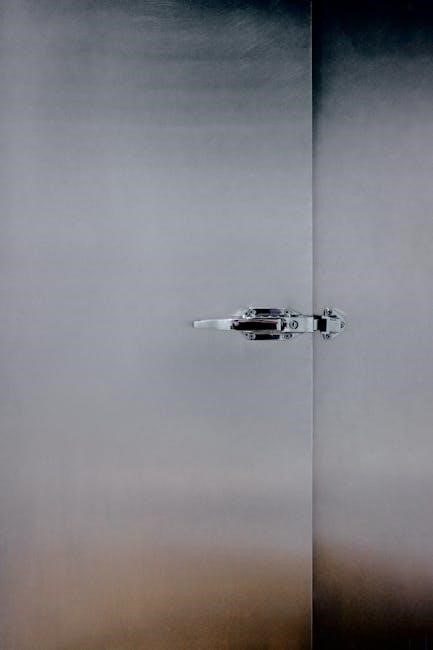
Manual garage door locks offer a fundamental layer of security, providing homeowners with direct control and peace of mind.
These systems, ranging from simple keyed handles to robust deadbolts,
are essential for deterring unauthorized access and protecting valuable possessions.
They represent a cost-effective and reliable security solution, especially when integrated with other measures.
The Importance of Garage Door Security
Garage door security is paramount, as it’s often the largest and most accessible entry point to a home.
A compromised garage door doesn’t just mean loss of possessions; it can lead to breaches in overall home security.
Manual locking systems, like keyed handles and deadbolts, provide a crucial first line of defense against potential intruders.
Reinforcing this access point, alongside internal doors connecting to the house, is vital.
Ignoring garage door security creates vulnerabilities.
Simple measures, such as securing windows and adding secondary locks, significantly enhance protection.
Prioritizing this aspect of home security offers peace of mind and safeguards your family and belongings.
Overview of Manual Locking Systems
Manual garage door locking systems encompass a range of mechanisms offering varying levels of security.
Keyed handle locks provide convenient, everyday locking, while deadbolts offer increased resistance to forced entry.
Padlocks, though less sophisticated, can supplement existing locks. Reinforcement kits strengthen the door and frame,
addressing weak points.
These systems rely on physical keys and mechanical operation, differing from smart or automated options.
Choosing the right system depends on budget, security needs, and desired convenience.
Proper installation and maintenance are crucial for optimal performance and reliability.
Types of Manual Garage Door Locks
Various manual locks secure garages, including keyed handles, deadbolts, padlocks, and reinforcement kits.
Each type offers unique benefits, catering to different security levels and budgets for homeowners.
Keyed Handle Locks

Keyed handle locks represent a common and convenient manual locking solution for garage doors. These locks integrate a key cylinder directly into the door handle, allowing for quick and easy locking and unlocking with a standard key.
Local Garage Doors highlights their popularity among homeowners seeking a balance between security and accessibility. They are compatible with various garage door types and offer reliable protection against casual attempts at unauthorized entry. However, it’s crucial to choose a high-quality lock to resist picking or forced entry.
Deadbolt Locks for Garage Doors
Deadbolt locks significantly enhance garage door security, offering a more robust defense than standard keyed handles. These locks feature a solid metal bolt that extends deep into the door frame, resisting forced entry attempts.
Reddit’s r/Locksmith community recommends deadbolts like the B660 for superior protection. Combining a deadbolt with other security measures, such as reinforcing the door and boarding windows, creates a formidable barrier. Professional installation is advised to ensure proper alignment and optimal functionality.
Padlock Options for Enhanced Security
Padlocks provide an additional layer of security for garage doors, particularly useful for up-and-over or sectional doors. While convenient, standard padlocks are vulnerable to bolt cutters.
To mitigate this, consider disc locks or those with shrouded shackles, as recommended by locksmiths on Reddit. These designs offer increased resistance to cutting and prying. Reinforcing the hasp with plywood and carriage bolts further strengthens the locking point, creating a more secure system.
Garage Door Bolts & Reinforcement Kits
Garage door bolts and reinforcement kits significantly enhance the security of existing locking mechanisms. These kits typically involve adding steel plates around the lock and strike plate, bolstering resistance to forced entry.
Reddit locksmiths suggest reinforcing the entire door with 1/2 plywood secured with carriage bolts, creating a robust barrier. These additions, combined with a high-quality deadbolt like a B660 or a Yale Jimmy-proof lock, offer substantial protection against break-ins.
Components of a Manual Locking Mechanism
Manual locks comprise a lock cylinder, handle, strike plate, and connecting rods. These elements work together to secure the door, providing a physical barrier against intrusion.
Lock Cylinder and Key System
The lock cylinder is the core security component, utilizing a key to engage pins and allow rotation, ultimately activating the locking mechanism. Keyed handle locks are popular for convenience, offering a built-in cylinder. Higher security options, like deadbolts or Securitech Trident locks, employ more complex cylinder designs resistant to picking or bumping.
The key itself is crucial; maintaining key security and considering duplicates are vital. Jimmy-proof locks, such as those from Yale, feature specialized cylinders designed to thwart common lock manipulation techniques, enhancing overall security. Cylinder quality directly impacts the lock’s effectiveness.
Handle and Lever Mechanisms
Handle mechanisms provide the user interface for operating the lock, often integrated directly with the lock cylinder in keyed handle locks. These handles facilitate quick locking and unlocking. Lever mechanisms, commonly found in deadbolt locks, require a deliberate action to engage, offering a more secure operation;
The robustness of the handle and lever is critical; flimsy components are vulnerable to forced entry. Reinforcing these parts, alongside the strike plate, significantly improves security. Proper alignment and smooth operation are essential for reliable functionality and preventing jamming.
Strike Plate and Reinforcement
Strike plates are crucial components, receiving the bolt or latch to secure the door. Standard strike plates are often weak points; reinforcing them with heavier-duty steel plates and longer screws dramatically increases resistance to forced entry. Reinforcement kits provide comprehensive solutions, strengthening both the strike plate area and the surrounding garage door frame.
Proper alignment between the lock cylinder, bolt, and strike plate is vital for smooth operation and maximum security. Plywood reinforcement over the door panels further enhances resistance to attacks.
Connecting Rods and Internal Components
Manual locking mechanisms rely on a network of connecting rods to transfer force from the handle or key cylinder to the bolt or latch. These rods must be robust and securely fastened to prevent manipulation or breakage during an attempted breach. Internal components, including levers and linkages, should be inspected regularly for wear or damage.
Ensuring proper alignment and lubrication of these internal parts is essential for smooth operation and long-term reliability. Weak or corroded components compromise the entire locking system’s effectiveness.
Installation Considerations
Proper installation is crucial for optimal security; professional installation is often recommended, especially for deadbolts or complex systems.
Door material and frame reinforcement significantly impact lock effectiveness and longevity.

Professional Installation vs. DIY
Professional installation ensures correct alignment, secure mounting, and optimal functionality of your chosen manual lock. Experienced technicians understand door construction and can reinforce weak points, maximizing security. While DIY installation can save money, it risks improper fitting, compromising the lock’s effectiveness and potentially damaging the door.
Complex locks, like Jimmy-proof models or those requiring frame modifications, strongly benefit from professional expertise. Incorrectly installed locks offer a false sense of security and may be easily bypassed. Consider your skill level and the lock’s complexity before attempting a DIY approach.
Door Material Compatibility
Garage door material significantly impacts lock selection and installation. Wood doors offer solid mounting points but are susceptible to rot, requiring reinforced strike plates; Steel doors demand robust locks capable of withstanding force, and proper bolt length is crucial. Aluminum doors, being lighter, may need additional bracing to support heavier locks.
Ensure the chosen lock’s hardware is compatible with your door’s gauge and construction. Using incorrect screws or anchors can strip the material, rendering the lock ineffective. Consider the door’s age and condition when selecting a locking system.
Reinforcing the Garage Door Frame
A strong frame is paramount for any garage door locking system. Weak frames easily succumb to forced entry, negating lock effectiveness. Reinforcement kits, often involving steel plates and longer screws, bolster the frame’s structural integrity around the lock and strike plate areas.
Focus on areas where the frame meets the door and around the hinges. Plywood sheeting, secured with carriage bolts, adds substantial resistance. Regularly inspect the frame for rot or damage, addressing issues promptly to maintain security.
Security Enhancements for Manual Locks
Boosting security involves layering defenses. Adding a secondary lock, reinforcing door panels with plywood, and securing windows significantly deters potential intruders.
These measures complement manual locks.
Adding a Secondary Lock
Implementing a second locking mechanism dramatically increases garage security. A padlock, particularly a disc lock or one with a shrouded shackle, offers substantial resistance against common break-in attempts. Consider reinforcing the garage door with plywood, securing it with carriage bolts alongside the secondary lock. This dual-lock approach creates a formidable barrier, making forced entry significantly more difficult and time-consuming for potential intruders. It’s a cost-effective way to elevate your garage’s protection, complementing the primary manual lock.
Reinforcing Garage Door Panels
Strengthening garage door panels is a proactive security measure. Covering glass windows or vulnerable sections with ½ inch plywood, secured with carriage bolts, significantly hinders forced entry. This creates a robust barrier, resisting attempts to pry or break through the door. Reinforcing panels, combined with a strong locking system like a Yale jimmy-proof lock or Securitech Trident, provides a layered defense. This approach transforms a potentially weak point into a substantial obstacle for intruders, enhancing overall garage security.
Window Security Measures
Garage door windows present a significant vulnerability. Boarding up windows entirely eliminates this risk, offering maximum security. Alternatively, covering glass with ½ inch plywood, fastened securely with carriage bolts, creates a strong deterrent. This simple yet effective method prevents easy access and visibility into the garage. Combining reinforced panels with robust locks, such as a deadbolt or disc lock, provides a comprehensive security solution, minimizing the chances of a successful break-in.
Advanced Manual Locking Solutions
Jimmy-proof locks (like Yale), disc locks with shrouded shackles, and the Securitech Trident offer superior resistance against forced entry,
providing enhanced security for detached garages and valuable contents.
Jimmy-Proof Locks (e.g., Yale)
Yale and similar jimmy-proof locks represent a significant upgrade in garage door security, specifically designed to resist common break-in methods. These locks incorporate hardened steel components and intricate internal mechanisms, making them exceptionally difficult to pick or manipulate with tools.
Unlike standard locks, jimmy-proof designs feature reinforced housings and anti-drill plates, preventing attackers from bypassing the locking cylinder. They are often recommended by locksmiths for detached garages or those containing high-value items, offering a robust deterrent against determined intruders. Installation typically requires professional expertise to ensure proper functionality and maximum security.
Disc Locks and Shrouded Shackles
Disc locks, particularly those with shrouded shackles, offer a heightened level of security for garage doors, addressing vulnerabilities common in padlock-only setups. The shrouded design encases the shackle, protecting it from bolt cutters and leverage attacks.
These locks are often recommended as replacements for standard padlocks, providing increased resistance to cutting and prying. Combining a disc lock with plywood reinforcement on the door itself creates a formidable barrier. They are a cost-effective solution for bolstering security, especially when protecting valuable contents within the garage.
Securitech Trident Locks
Securitech Trident Locks represent a premium manual locking solution, highly regarded for their exceptional resistance to forced entry. These locks feature a unique three-point locking system, securing the door at multiple points for enhanced stability.
They are often recommended by locksmiths for detached garages, particularly when safeguarding expensive items. While representing a higher investment, the Trident lock’s robust design and proven security features offer significant peace of mind. Installation typically requires professional expertise to ensure proper functionality and maximum security.
Integrating Manual Locks with Other Security Systems
Combining manual locks with home security systems and cameras creates a layered defense.
Monitoring systems provide alerts, while cameras offer visual verification,
enhancing overall garage security and deterring potential intruders effectively.
Linking to Home Security Systems
Integrating manual garage door locks with a comprehensive home security system significantly elevates protection. Many modern systems allow for contact sensors to be placed on the garage door itself, triggering alerts upon unauthorized entry, even with a manual lock engaged. This provides an immediate notification to homeowners and potentially dispatches emergency services.
Furthermore, some systems offer the ability to remotely monitor the lock’s status, confirming it’s secured. Combining the physical barrier of a manual lock with the digital oversight of a security system creates a robust and responsive security network, offering peace of mind and enhanced safety for your property.
Using Security Cameras for Monitoring
Supplementing manual garage door locks with strategically placed security cameras provides a vital visual layer of security; Cameras enable real-time monitoring of garage activity, deterring potential intruders and capturing crucial evidence in case of a break-in. Wireless cameras offer flexible placement without complex wiring, while motion-activated recording ensures efficient storage.
Integrating camera feeds with a home security system allows for remote viewing via smartphone or computer. This combination of physical security (the lock) and visual surveillance creates a powerful deterrent and provides valuable peace of mind, enhancing overall property protection.
Cost Considerations
Manual garage door lock costs vary widely, from $20 for basic padlocks to $150+ for deadbolts or Jimmy-proof locks.
Professional installation adds $75-$200, while maintenance is typically minimal.
Price Range of Different Lock Types
Keyed handle locks generally fall between $20 and $60, offering a basic level of security and convenience. Deadbolt locks, providing enhanced protection, typically range from $50 to $150, depending on the brand and features. Padlocks are the most affordable option, costing between $10 and $40, but offer limited security.
For superior security, Jimmy-proof locks like the Yale B660 can cost $100-$200, while Securitech Trident locks are priced around $120-$180. Disc locks with shrouded shackles, offering resistance to cutting, range from $30 to $70. Remember these prices are estimates and can vary.
Installation Costs
DIY installation of simple locks like padlocks is often free, requiring only basic tools. However, professional installation for keyed handles or deadbolts typically ranges from $75 to $200, depending on the complexity and local labor rates. More advanced locks, such as Securitech Trident or Jimmy-proof locks, may incur installation fees between $150 and $300.
Reinforcing the door or frame during installation can add another $50-$150 to the cost. Consider that smart lock integration with manual overrides may require an electrician, increasing expenses.
Long-Term Maintenance Costs

Manual garage door locks generally have low long-term costs. Regular lubrication with silicone-based sprays (around $10-$20 annually) prevents corrosion and ensures smooth operation. Key duplication is a minor expense, typically $3-$8 per key. However, strike plate alignment issues or key problems may necessitate occasional professional adjustments, costing $50-$100 per service call.
More robust locks, like deadbolts, may require occasional re-keying ($75-$150) if keys are lost or compromised. Periodic inspection for wear and tear is crucial to avoid costly repairs.
Maintenance and Troubleshooting
Regular lubrication and cleaning are vital for smooth operation. Key issues often stem from wear, while strike plate alignment problems hinder locking; address promptly!
Lubrication and Cleaning
Consistent maintenance significantly extends the lifespan of your manual garage door locking mechanism. Regularly lubricate the lock cylinder with a graphite-based lubricant, avoiding oil-based products that attract dirt. Clean the lock components periodically with a mild detergent and water, ensuring thorough drying to prevent corrosion.
Inspect the handle and lever mechanisms for debris buildup, removing any obstructions that impede smooth operation. Pay attention to the strike plate, cleaning it to ensure proper engagement with the bolt. Addressing these simple tasks proactively prevents sticking, ensures reliable locking, and avoids costly repairs down the line.
Key Issues and Solutions
Lost or duplicated keys pose a significant security risk; rekeying the lock cylinder is the most effective solution. Sticking keys often indicate a need for lubrication or the presence of debris within the cylinder – attempt lubrication before disassembly. Broken keys require professional extraction to avoid damaging the lock mechanism.
Worn keyways can hinder smooth operation; a locksmith can often repair or replace the cylinder. Bent keys should be replaced immediately to prevent further damage. Always have spare keys made and stored securely, but avoid leaving them readily accessible outside the property.

Strike Plate Alignment
Proper strike plate alignment is crucial for a functional manual garage door lock. Misalignment prevents the bolt from fully engaging, compromising security. Check for smooth bolt entry and exit; resistance indicates a problem. Adjust the strike plate by loosening its screws and repositioning it until alignment is achieved.
Reinforcing the strike plate area with longer screws that reach the door frame’s stud provides added strength. If the door frame is damaged, repair or replace it before reinstalling the strike plate. Regularly inspect alignment, as door settling can cause shifts over time.
Smart Lock Alternatives (Manual Integration)
Smart lock systems, like fingerprint access, can supplement manual locks, offering convenience. Remote control integration provides automated operation with a manual override for security.
Fingerprint Lock Systems
Fingerprint lock systems represent a modern upgrade to traditional manual garage door security, offering keyless entry and enhanced control. These systems utilize biometric technology, recognizing authorized users based on their unique fingerprint data.
A Better Garage Door recommends fingerprint locks, suggesting they provide a high level of security when paired with a deadbolt on the interior door connecting the garage to the home. While offering convenience, they can be integrated alongside existing manual locking mechanisms, providing a layered security approach.
This allows for a manual override in case of power failure or system malfunction, ensuring continued access and security.
Remote Control Integration with Manual Override
Remote control integration offers convenience alongside manual garage door locking systems, blending modern technology with traditional security. While not strictly a manual lock feature, integrating a remote opener allows for effortless access without compromising the primary manual locking mechanism.
Todays Homeowner notes smart locks offer remote control functionality, but emphasizes the importance of professional installation due to electrical wiring. Crucially, maintaining a manual override ensures continued operation during power outages or system failures, providing a reliable backup security measure.
This dual approach maximizes both convenience and security.
Choosing the Right Lock for Your Needs
Selecting the ideal lock requires assessing security risks, budget constraints, and lifestyle factors. A Better Garage Door recommends combining a fingerprint system with a deadbolt for optimal protection.
Assessing Your Security Risks
Evaluating potential threats is crucial when selecting a manual garage door lock. Consider your neighborhood’s crime rate and the visibility of your garage.
If you store valuable items inside, a higher security lock like a Securitech Trident or a Yale jimmy-proof lock is advisable.
Reinforcing vulnerable points, such as windows and door panels with plywood, significantly reduces break-in risks.
Furthermore, assess if your garage connects directly to your home, necessitating a robust deadbolt on that interior door for layered security.
Budget Considerations
Manual garage door lock costs vary widely, from affordable keyed handle locks to premium options like Securitech Trident locks.
Basic padlocks start at a low price point, while deadbolts and reinforced kits represent a moderate investment.
Professional installation adds to the overall expense, though DIY options are available for some lock types.
Remember that prioritizing security often justifies a higher upfront cost, potentially saving money on repairs or losses in the long run.
Lifestyle and Convenience Factors
Manual locks suit homeowners desiring direct control, avoiding reliance on electricity or complex systems.
Keyed handles offer quick access for residents, while deadbolts provide enhanced security during absences.
However, remember keys can be lost or duplicated, impacting convenience.
Consider your daily routines and security needs; if frequent access is crucial, a simpler lock might suffice.
For those prioritizing maximum security, a multi-lock system, combining convenience and protection, is ideal.
Garage Door Security Best Practices
Regularly inspect your manual lock for wear and proper function. Securely store keys and remain aware of your surroundings,
enhancing overall garage and home safety.
Regular Lock Inspections
Consistent inspections are crucial for maintaining the effectiveness of your manual garage door locking mechanism. Check the lock cylinder for smooth operation, ensuring the key inserts and turns without resistance. Examine the handle and lever for any signs of damage or looseness. Verify the strike plate is securely fastened to the door frame and properly aligned with the locking bolt. Look for any signs of forced entry or tampering around the lock and door. Address any issues promptly to prevent potential security breaches and ensure continued reliability.
Keeping Keys Secure
Protecting your garage door key is paramount to maintaining security; Never leave the key in an obvious location, such as under the doormat or in a fake rock. Consider using a lockable key safe, mounted discreetly, for trusted individuals. Avoid labeling the key with any identifying information linking it to your garage. Store spare keys in a secure location within your home, not readily accessible from outside. Regularly review who has access to your garage key and revoke access when necessary.
Awareness of Surroundings
Maintaining situational awareness is a crucial, often overlooked, aspect of garage door security. Be mindful of unfamiliar vehicles or individuals lingering near your property. Report any suspicious activity to local law enforcement immediately. Ensure adequate exterior lighting illuminates the garage area, deterring potential intruders. Avoid leaving the garage door open unattended, even for brief periods. Consider the visibility of your garage from the street and implement landscaping or security measures to reduce blind spots.
Future Trends in Garage Door Security
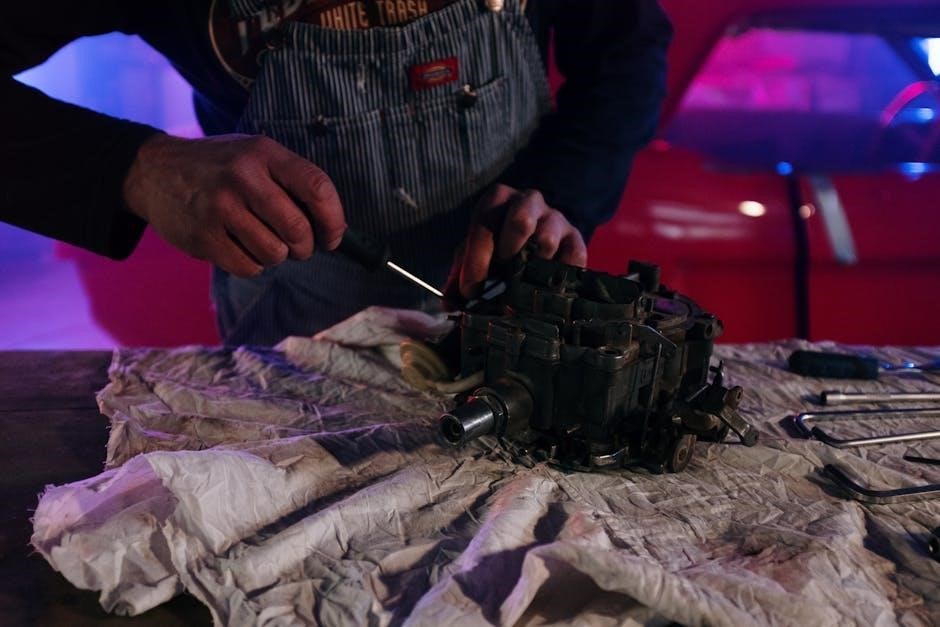
Innovations blend smart technology with manual systems, enhancing security. Expect advanced manual lock designs, integrating features like reinforced materials and pick-resistant mechanisms for greater protection.
Smart Lock Advancements

Smart lock technology is rapidly evolving, offering convenient and secure alternatives, yet often integrating with existing manual systems. Fingerprint lock systems provide keyless entry, while remote control options allow operation from smartphones.
Notably, many smart locks retain a manual override, ensuring functionality during power outages or system failures.
These systems often send notifications upon door activity and can be integrated with broader home security networks,
enhancing overall protection and providing real-time monitoring capabilities.
Enhanced Manual Lock Designs
Modern manual lock designs prioritize robustness and resistance to common break-in methods. Jimmy-proof locks, like those from Yale, incorporate features to prevent tool-based manipulation. Disc locks and shrouded shackles offer increased cut resistance compared to standard padlocks.
Furthermore, reinforcement kits strengthen the door and frame, while Securitech Trident Locks provide a high-security, multi-point locking system.
These advancements focus on bolstering the physical integrity of the locking mechanism itself.