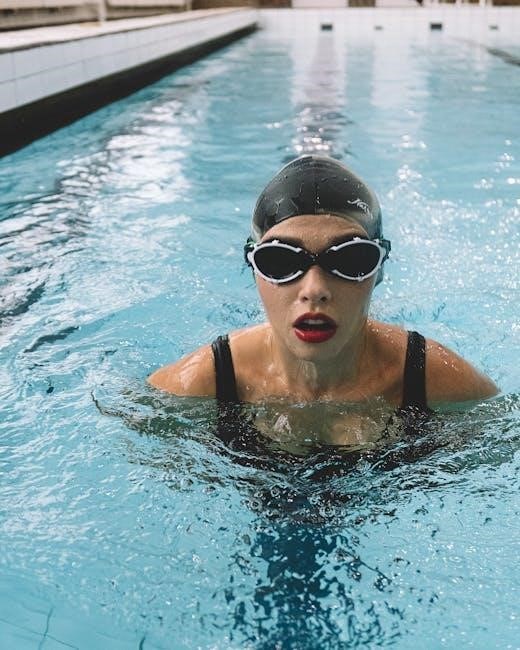
Competitive swimmers demand a carefully calibrated diet‚ balancing macronutrients for intensive training and recovery‚ as detailed in specialized swimming diet plans.
The Unique Demands of Swimming
Swimming presents distinct physiological challenges‚ requiring substantial energy expenditure – up to 5‚000 calories during a four-hour practice! This intense activity builds both aerobic and anaerobic capacity‚ demanding a diet that supports strength‚ technical efficiency‚ and rapid recovery. Unlike many sports‚ swimmers operate in a cool environment‚ potentially suppressing the sensation of thirst and increasing dehydration risk.
Consequently‚ meticulous attention to hydration and electrolyte balance is paramount. A competitive swimmer’s diet plan must address these unique needs‚ providing adequate fuel for prolonged exertion‚ minimizing muscle damage‚ and optimizing performance throughout demanding training cycles and competitions. It’s a science focused on peak physical condition.
Why a Specialized Diet is Crucial
A specialized diet isn’t merely beneficial for swimmers; it’s foundational to achieving peak performance. Standard dietary guidelines often fall short of meeting the elevated energy demands and specific recovery needs of these athletes. Optimizing macronutrient ratios – carbohydrates‚ proteins‚ and fats – is critical for fueling intensive training regimens and ensuring optimal recovery.
Without a tailored swimming diet plan‚ athletes risk depleted glycogen stores‚ increased muscle damage‚ impaired immune function‚ and ultimately‚ compromised performance. Strategic nutrition supports not only physical capabilities but also long-term health‚ enabling sustained success in this demanding sport.
Overview of Macronutrient Needs
Competitive swimmers require a precisely balanced intake of macronutrients. Carbohydrates serve as the primary fuel source‚ powering both aerobic and anaerobic efforts during training and competition. Protein is essential for muscle repair and growth‚ crucial for recovering from strenuous workouts. Finally‚ fats play a vital role in hormone production and provide a concentrated energy source;
A well-structured swimming diet plan prioritizes carbohydrates to replenish glycogen stores‚ adequate protein for muscle recovery‚ and healthy fats for overall health. The specific ratios will vary based on training intensity and individual needs‚ demanding a personalized approach.
II. Macronutrient Breakdown for Swimmers
Optimal performance hinges on understanding macronutrient roles: carbohydrates for fuel‚ protein for repair‚ and fats for hormone balance – a swimmer’s dietary foundation.
Carbohydrates: The Primary Fuel Source
Carbohydrates are paramount for swimmers‚ serving as the dominant energy source during rigorous training and competition. These fuels power both aerobic and anaerobic systems crucial for sustained performance. Understanding the distinction between complex and simple carbohydrates is vital; complex carbs‚ like whole grains and vegetables‚ provide sustained energy release‚ while simple carbs offer a quick boost‚ ideal for pre-race fueling.
Carb loading‚ a strategic increase in carbohydrate intake‚ can maximize glycogen stores‚ enhancing endurance for longer events; However‚ this technique requires careful planning and practice to avoid digestive distress. Swimmers should prioritize carbohydrate-rich foods throughout their diet‚ adjusting intake based on training intensity and duration to optimize energy levels and recovery.
Complex vs. Simple Carbohydrates
Complex carbohydrates‚ found in foods like whole grains‚ fruits‚ and vegetables‚ release glucose slowly‚ providing sustained energy essential for prolonged swim practices and events. They are rich in fiber‚ aiding digestion and promoting fullness. Conversely‚ simple carbohydrates – sugars found in processed foods and sugary drinks – offer a rapid energy surge‚ beneficial immediately before or during shorter‚ high-intensity swims.
Swimmers should prioritize complex carbs as the foundation of their diet‚ utilizing simple carbs strategically for quick fuel. A balanced approach ensures consistent energy levels and prevents energy crashes‚ optimizing performance and recovery. Understanding this distinction is key to a successful competitive swimmer’s diet plan.
Carb Loading Strategies for Competition
Carb loading‚ a strategic dietary practice‚ maximizes glycogen stores – the body’s primary energy reserve – in preparation for endurance events. Typically implemented 3-7 days before competition‚ it involves gradually increasing carbohydrate intake to 70-85% of total calories‚ while simultaneously reducing training volume. This process supercompensates glycogen levels‚ delaying fatigue during races.
However‚ carb loading isn’t a one-size-fits-all approach. Swimmers should practice this strategy during training to assess individual tolerance and optimize the protocol. Proper hydration is crucial during carb loading to facilitate glycogen storage. A well-executed carb-loading strategy‚ integrated into a comprehensive diet plan‚ can significantly enhance performance.
Protein: Muscle Repair and Growth
Protein is fundamental for competitive swimmers‚ playing a vital role in muscle repair‚ growth‚ and overall recovery from strenuous training. Intense swimming causes muscle breakdown‚ necessitating adequate protein intake to rebuild and strengthen tissues. Optimal protein consumption ranges from 1.2 to 1.7 grams per kilogram of body weight daily‚ distributed evenly throughout meals.
Prioritizing lean protein sources – such as chicken‚ fish‚ beans‚ and Greek yogurt – ensures efficient muscle protein synthesis. Consuming protein within the 30-60 minute post-workout window is particularly beneficial for accelerating recovery. A strategic protein intake‚ integrated into a swimmer’s diet plan‚ supports peak performance.
Optimal Protein Intake for Swimmers
Determining optimal protein intake for swimmers requires individualization‚ considering training intensity‚ body weight‚ and recovery needs. Generally‚ competitive swimmers benefit from consuming 1.2 to 1.7 grams of protein per kilogram of body weight daily. Higher intakes may be necessary during periods of intense training or when aiming to build muscle mass.
Distributing protein evenly across meals – approximately 20-40 grams per serving – maximizes muscle protein synthesis. Prioritizing protein consumption post-workout‚ within the crucial recovery window‚ is also essential. A well-structured diet plan ensures swimmers receive sufficient protein to support their demanding physical requirements and optimize performance.
Best Protein Sources for Recovery
Prioritizing high-quality protein sources is crucial for swimmer recovery‚ aiding muscle repair and reducing soreness. Lean meats like chicken and turkey provide complete proteins‚ alongside fish‚ particularly salmon‚ offering omega-3 fatty acids for inflammation control.
Dairy products‚ such as Greek yogurt and milk‚ deliver both protein and calcium‚ vital for bone health. Plant-based options like beans‚ lentils‚ and tofu are excellent alternatives‚ ensuring adequate protein intake for vegetarian or vegan swimmers. Combining various sources throughout the day optimizes amino acid profiles and supports comprehensive recovery.
Fats: Essential for Hormone Production & Energy
Healthy fats are often underestimated‚ yet they play a vital role in a swimmer’s diet‚ supporting hormone production‚ nutrient absorption‚ and providing a concentrated energy source. Prioritize unsaturated fats found in avocados‚ nuts‚ seeds‚ and olive oil. These contribute to overall health and reduce inflammation.
Omega-3 fatty acids‚ abundant in fatty fish like salmon and flaxseeds‚ are particularly beneficial‚ aiding recovery and cognitive function. While essential‚ fat intake should be moderate‚ complementing carbohydrate and protein consumption for optimal performance and maintaining a balanced energy profile.
Healthy Fat Choices for Swimmers
Swimmers should focus on incorporating sources of healthy fats into their diet‚ prioritizing those rich in unsaturated fatty acids. Excellent choices include avocados‚ providing monounsaturated fats‚ and a variety of nuts and seeds like chia‚ flax‚ and walnuts‚ offering both omega-3 and omega-6 fatty acids.
Olive oil is another superb option for cooking and dressings. Fatty fish‚ such as salmon‚ tuna‚ and mackerel‚ are crucial for obtaining essential omega-3s. These fats support hormone production‚ reduce inflammation‚ and contribute to sustained energy levels during intense training.
The Role of Omega-3 Fatty Acids
Omega-3 fatty acids are vital for swimmers‚ playing a crucial role in reducing inflammation caused by strenuous training. They support cardiovascular health‚ enhancing oxygen delivery to muscles‚ and contribute to improved recovery times. Sources like salmon‚ flaxseeds‚ and walnuts should be prioritized.
These fats also positively impact cognitive function and mood‚ important for maintaining focus during competition. Adequate omega-3 intake can aid in joint health‚ minimizing the risk of injury. Supplementation may be considered‚ but obtaining them through whole foods is generally preferred for optimal absorption and benefits.

III. Hydration Strategies for Peak Performance
Optimal hydration is paramount for swimmers‚ impacting performance and recovery; strategies must address needs before‚ during‚ and after intense training sessions.
Importance of Hydration Before‚ During‚ and After Training
Pre-training hydration establishes optimal fluid balance‚ enhancing performance and delaying fatigue. During training‚ consistent fluid intake replaces losses from sweat‚ preventing dehydration and maintaining blood volume – crucial for oxygen delivery to muscles.
Post-training rehydration is equally vital‚ replenishing fluid deficits and electrolytes lost through perspiration. Ignoring hydration leads to decreased performance‚ increased risk of cramps‚ and impaired recovery. Swimmers should proactively drink water throughout the day‚ not just during practice.
Monitoring urine color can be a simple indicator of hydration status; pale yellow suggests adequate hydration‚ while dark yellow signals dehydration. Individual needs vary based on training intensity‚ duration‚ and environmental conditions.
Electrolyte Balance and Replenishment
Electrolytes – sodium‚ potassium‚ magnesium‚ and chloride – are lost through sweat during swimming‚ impacting muscle function and hydration. Maintaining electrolyte balance is crucial for preventing cramps‚ optimizing nerve impulses‚ and supporting overall performance.
Replenishment can be achieved through sports drinks containing electrolytes‚ or by consuming electrolyte-rich foods like bananas (potassium)‚ leafy greens (magnesium)‚ and salty snacks (sodium).
Simply drinking water isn’t always enough; it can dilute existing electrolytes. Individual sweat rates and electrolyte losses vary‚ so personalized strategies are best. Consider electrolyte tablets or powders for longer‚ more intense training sessions.
Recognizing Dehydration Symptoms
Dehydration significantly impairs swimming performance‚ even mild levels. Early recognition of symptoms is vital for timely intervention. Common signs include increased heart rate‚ fatigue‚ muscle cramps‚ headache‚ and dark-colored urine – indicators of reduced blood volume and impaired kidney function.
More severe dehydration can manifest as dizziness‚ confusion‚ and decreased coordination. Swimmers should proactively monitor urine color and frequency‚ aiming for pale yellow and regular urination.
Coaches and athletes should be educated on recognizing these signs in themselves and teammates‚ prioritizing fluid intake before‚ during‚ and after training and competition.

IV. Pre-Competition Nutrition
Pre-race meals should prioritize easily digestible carbohydrates for sustained energy‚ timed strategically to avoid gastrointestinal distress during competition‚ as guides detail.
The Ideal Pre-Race Meal
Crafting the ideal pre-race meal is paramount for competitive swimmers‚ focusing on maximizing energy stores without causing digestive upset. This meal‚ consumed 2-4 hours before competition‚ should be high in complex carbohydrates – think pasta‚ rice‚ or oatmeal – providing a sustained release of glucose.
Lean protein sources‚ like grilled chicken or fish‚ aid in muscle preparation‚ but should be moderate to avoid slowing digestion. Healthy fats‚ in small quantities‚ contribute to overall energy levels. Avoiding high-fiber foods‚ excessive fats‚ and sugary drinks is crucial to prevent cramping or discomfort during the race. Hydration is equally important; water or electrolyte drinks should accompany the meal to ensure optimal fluid balance.
Ultimately‚ the pre-race meal serves as the final fueling opportunity‚ setting the stage for peak performance.
Timing of Pre-Race Meals
Strategic timing of pre-race meals is critical for competitive swimmers‚ directly impacting performance. A substantial meal should be consumed 2-4 hours before the event‚ allowing sufficient digestion and preventing gastrointestinal distress. This timeframe enables optimal glycogen storage without feeling overly full or sluggish.
For shorter events or quicker turnarounds‚ a smaller‚ easily digestible snack – like a banana or energy bar – 60-90 minutes beforehand can provide a quick energy boost. Avoid eating anything substantial within the last hour before racing.
Consistent practice with meal timing during training helps swimmers determine their individual tolerance and optimize fueling strategies for competition.
Foods to Avoid Before a Race
Certain foods can hinder performance if consumed before a swim competition. High-fat foods should be avoided as they slow digestion and can cause stomach upset. Similarly‚ excessive fiber‚ found in large portions of vegetables or whole grains‚ can lead to bloating and discomfort during racing.
Spicy foods and those known to cause gas should also be excluded. Sugary drinks and candies‚ while providing a quick burst of energy‚ often result in a subsequent crash. Prioritize easily digestible carbohydrates and lean proteins instead.
Individual tolerance varies‚ so experimentation during training is key.
Snack Options for Quick Energy
Swimmers need readily available energy before or between events. Excellent snack choices include bananas‚ providing potassium and carbohydrates‚ and toast with a small amount of jam for a quick glucose boost. Rice cakes are easily digestible and offer sustained energy.
Energy gels or chews‚ specifically formulated for athletes‚ deliver concentrated carbohydrates. Small portions of dried fruit‚ like apricots‚ are another convenient option. Avoid high-fat or high-fiber snacks that can cause digestive issues.
Hydration is crucial; pair snacks with water or a sports drink.
V. Nutrition During Competition
Fueling during long races requires portable‚ easily digestible options like energy gels or chews to maintain blood glucose levels and sustain performance.
Fueling During Long Races/Meets
Sustained energy is paramount during extended competitions‚ necessitating a strategic fueling approach. Swimmers participating in lengthy races or multi-day meets must prioritize consistent carbohydrate intake to replenish glycogen stores depleted through intense exertion.
Practical options include easily digestible sources like sports drinks‚ gels‚ chews‚ or even small portions of fruit. These provide a quick energy boost without causing gastrointestinal distress. The frequency and quantity of intake should be individualized‚ based on race duration‚ intensity‚ and the swimmer’s tolerance.
Careful planning‚ as outlined in comprehensive swimming diet plans‚ ensures optimal performance throughout the entire event‚ preventing energy crashes and maintaining peak physical and mental acuity.
Portable and Easily Digestible Options
Convenience and digestibility are key when selecting fuels for poolside consumption. Swimmers need options that are simple to carry‚ quick to consume‚ and won’t cause stomach upset during competition. Ideal choices include energy gels‚ chews‚ sports drinks‚ and small‚ easily digestible snacks like bananas or rice cakes.
These provide readily available carbohydrates for sustained energy without requiring extensive chewing or digestion. Avoiding high-fiber‚ high-fat‚ or protein-rich foods is crucial‚ as they can slow digestion and lead to discomfort.
A well-structured swimming diet plan emphasizes these practical‚ portable options to ensure consistent fueling throughout long meets.
VI. Post-Competition Recovery Nutrition
Post-race nutrition prioritizes replenishing glycogen stores and repairing muscle damage within the crucial 30-60 minute window‚ vital for a swimmer’s diet plan.
The 30-60 Minute Recovery Window
The initial 30-60 minutes post-competition represent a critical period for recovery‚ often termed the “glycogen window.” During this time‚ the body is exceptionally receptive to nutrient uptake‚ maximizing glycogen resynthesis and muscle repair. A swimmer’s diet plan must prioritize rapidly digestible carbohydrates – think fruits‚ white rice‚ or sports drinks – to quickly replenish depleted energy stores.
Simultaneously‚ incorporating a moderate amount of protein (around 20-25 grams) is crucial for initiating muscle protein synthesis‚ aiding in the repair of muscle tissue damaged during intense exertion. This combination of carbohydrates and protein optimizes recovery‚ reducing muscle soreness and preparing the athlete for subsequent training sessions or competitions. Ignoring this window can significantly hinder recovery progress and impact future performance.
Replenishing Glycogen Stores
Competitive swimmers heavily rely on glycogen – stored carbohydrates – for fuel during training and races. A well-structured swimmer’s diet plan must prioritize glycogen replenishment‚ especially after strenuous activity. Consuming high-glycemic index carbohydrates immediately post-exercise facilitates rapid glycogen resynthesis in muscles and the liver.
Optimal intake involves approximately 1.0-1.2 grams of carbohydrate per kilogram of body weight within the first four hours post-exercise. Foods like white rice‚ potatoes‚ and fruits are excellent choices. Consistent‚ adequate carbohydrate intake throughout the day‚ not just post-exercise‚ is vital for maintaining sufficient glycogen levels and supporting sustained performance. This strategic fueling is key to preventing fatigue.
Repairing Muscle Damage
Competitive swimming induces microscopic muscle damage‚ necessitating a swimmer’s diet plan focused on muscle protein synthesis and repair. Consuming protein post-exercise is crucial‚ providing the amino acids needed to rebuild damaged muscle tissue. Aim for 20-40 grams of high-quality protein within the recovery window (30-60 minutes post-workout).
Excellent sources include lean meats‚ poultry‚ fish‚ eggs‚ and dairy. Combining protein with carbohydrates further enhances recovery by stimulating insulin release‚ aiding amino acid uptake. Adequate overall daily protein intake‚ typically 1.2-1.7 grams per kilogram of body weight‚ supports ongoing muscle repair and adaptation to training demands‚ preventing overtraining.
VII. Sample Meal Plan (PDF Focus)
PDF-based meal plans for swimmers should consider daily calorie needs based on training intensity‚ offering examples for high-intensity and rest/recovery days.
Daily Calorie Needs (Based on Training Intensity)
Determining a swimmer’s daily caloric intake is paramount‚ directly correlating with training volume and intensity. Competitive swimmers can expend upwards of 5‚000 calories during a rigorous four-hour practice session‚ necessitating significantly higher energy consumption than sedentary individuals. Generally‚ energy expenditures are 1.5 to 3 times greater.
A PDF meal plan should outline calorie ranges based on these factors. Light training days (recovery) might require 2‚500-3‚000 calories‚ moderate days 3‚000-4‚000‚ and intense training days exceeding 4‚000 calories. Individual needs vary based on body weight‚ metabolism‚ and gender. Accurate assessment‚ potentially with a sports nutritionist‚ is crucial for optimizing performance and preventing energy deficits.
Example Meal Plan for a High-Intensity Training Day
A PDF outlining a high-intensity training day meal plan should prioritize carbohydrate replenishment and protein for muscle repair. Breakfast (600-800 calories): Oatmeal with berries and nuts‚ eggs‚ and whole-wheat toast. Mid-morning snack (200-300 calories): Greek yogurt with fruit.
Lunch (800-1000 calories): Large salad with grilled chicken or fish‚ quinoa‚ and vegetables. Pre-workout snack (200-300 calories): Banana with peanut butter. Post-workout (30-60 minute window ⏤ 400-600 calories): Protein shake with fruit and a carbohydrate source. Dinner (800-1000 calories): Salmon with sweet potato and steamed broccoli.
Example Meal Plan for a Rest/Recovery Day
A PDF detailing a rest/recovery day meal plan should focus on reducing overall calorie intake slightly while maintaining nutrient density. Breakfast (400-600 calories): Smoothie with protein powder‚ spinach‚ and fruit. Mid-morning snack (150-250 calories): Small handful of almonds and an apple.
Lunch (600-800 calories): Turkey breast sandwich on whole-wheat bread with a side salad. Afternoon snack (150-250 calories): Cottage cheese with pineapple. Dinner (600-800 calories): Chicken stir-fry with brown rice and plenty of vegetables. Prioritize hydration throughout the day.
VIII. Supplement Considerations
Supplements like creatine‚ Vitamin D‚ and iron may support swimmers’ power‚ bone health‚ and oxygen transport‚ complementing a well-planned diet.
Creatine for Power and Strength
Creatine supplementation is often considered for swimmers aiming to enhance power output and strength‚ particularly in sprint events and starts. It works by increasing phosphocreatine stores in muscles‚ allowing for quicker ATP regeneration during high-intensity bursts. While traditionally associated with weightlifting‚ creatine can benefit swimmers by improving performance in short‚ powerful movements crucial in competitive swimming.
However‚ it’s important to note that creatine’s effectiveness can vary between individuals‚ and proper hydration is essential when supplementing. A typical loading phase involves 20 grams per day for 5-7 days‚ followed by a maintenance dose of 3-5 grams daily. Swimmers should consult with a sports nutritionist or physician before starting creatine supplementation to determine appropriate dosage and assess potential interactions with other supplements or medications.
Vitamin D for Bone Health and Immunity
Vitamin D plays a vital role in maintaining strong bones‚ crucial for swimmers due to the repetitive stress on their skeletal system. Beyond bone health‚ Vitamin D significantly supports immune function‚ helping swimmers resist illness and maintain consistent training. Many athletes‚ especially those training indoors or in climates with limited sunlight‚ are deficient in Vitamin D.
Supplementation‚ guided by blood tests‚ can help optimize levels. Food sources like fatty fish and fortified dairy offer some Vitamin D‚ but often aren’t sufficient. Adequate Vitamin D levels contribute to overall well-being and can potentially reduce the risk of stress fractures and frequent infections‚ allowing for uninterrupted training and peak performance.
Iron for Oxygen Transport
Iron is paramount for swimmers‚ as it’s a key component of hemoglobin‚ the protein responsible for carrying oxygen throughout the body. Increased oxygen delivery to muscles is vital for endurance and power‚ both critical in swimming. Female swimmers‚ in particular‚ are at higher risk of iron deficiency due to menstrual losses‚ impacting performance significantly.
Symptoms of iron deficiency include fatigue and decreased performance. Dietary sources include red meat‚ poultry‚ and fortified cereals. However‚ absorption can be enhanced by consuming iron-rich foods with Vitamin C. Blood tests are essential to determine iron status‚ and supplementation should be guided by a healthcare professional to avoid excess iron intake.