
Pakistan Arabic Guide PDF: A Comprehensive Overview (Updated 12/03/2025)
Today‚ 12/03/2025‚ this guide details Arabic learning in Pakistan‚ focusing on PDF resources and recent initiatives like the 2020 Compulsory Arabic Language Bill.
Arabic language education in Pakistan is experiencing a notable resurgence‚ fueled by both religious and strategic considerations. Historically‚ Arabic’s presence was largely confined to religious institutions – madrassas – focusing on Quranic studies and Islamic theology. However‚ recent governmental initiatives‚ such as the Compulsory Teaching of the Arabic Language Bill 2020‚ signal a broader ambition to integrate Arabic into the mainstream educational system‚ starting in Islamabad’s schools from Class 1 through 12.
This shift isn’t without debate‚ sparking discussions about national identity and the role of religious instruction within a diverse population. The impetus behind this push includes a desire to foster a stronger connection with the Islamic world‚ enhance understanding of Islamic texts‚ and potentially open doors to opportunities in the Middle East. Furthermore‚ projects like the Horouf Project aim to build foundational Arabic skills in young children‚ aged four to eight‚ emphasizing early language acquisition. The availability of Arabic learning materials in PDF format is also increasing‚ offering accessible resources for students and educators alike.
The Rising Importance of Arabic Language Education
The growing emphasis on Arabic language education within Pakistan stems from a confluence of factors‚ extending beyond purely religious motivations. While a desire to deepen understanding of Islamic scripture remains central – aiming to “create good Muslims” – strategic considerations are gaining prominence. Increased regional connectivity and economic ties with the Arab world necessitate a workforce equipped with Arabic language skills.
The Compulsory Arabic Language Bill 2020 reflects this perceived need‚ mandating Arabic instruction in Islamabad’s schools. This initiative‚ however‚ has ignited debate concerning the balance between fostering a national Islamic identity and respecting Pakistan’s diverse cultural landscape. Simultaneously‚ the digital age offers new avenues for learning‚ with online Arabic learning platforms like Duolingo‚ Busuu‚ and ArabicPod101 becoming increasingly popular. The availability of Arabic learning materials in PDF format further democratizes access to education‚ particularly in areas with limited resources‚ addressing challenges in Pakistan’s educational infrastructure.
Compulsory Arabic Language Bill 2020: Details and Impact
The Compulsory Teaching of the Arabic Language Bill 2020‚ approved by the Senate‚ mandates Arabic language instruction in Islamabad’s primary and secondary schools. Specifically‚ students from Class 1 to Class 5 will study the Arabic language‚ transitioning to Arabic grammar from Class 6 to Class 12. This legislation aims to integrate Arabic into the core curriculum‚ fostering linguistic proficiency from a young age.
However‚ the bill has sparked considerable debate; Critics question whether compelling Arabic study aligns with Pakistan’s diverse population‚ raising concerns about potentially prioritizing a singular religious or cultural identity. Proponents argue it strengthens ties to the Islamic world and enhances understanding of religious texts. The implementation faces challenges‚ including teacher training and resource allocation. The bill’s impact extends beyond education‚ influencing discussions about national identity and the role of religious instruction within the broader educational system‚ while simultaneously creating demand for accessible Arabic learning materials in PDF format.

Islamabad’s Initiative: Arabic in Primary and Secondary Schools
Islamabad’s initiative to incorporate Arabic into its school system‚ driven by the Compulsory Arabic Language Bill 2020‚ represents a significant shift in educational policy. Every school within the capital will now require students to study Arabic from Class 1 through Class 5‚ followed by Arabic grammar studies from Class 6 to Class 12. This comprehensive approach aims to establish a foundational understanding of the language early in a student’s academic journey.
The program’s success hinges on effective implementation‚ including adequate teacher training and the availability of suitable learning resources‚ potentially including readily accessible Arabic learning materials in PDF format. This initiative also connects with broader national goals‚ such as fostering a stronger connection to Islamic heritage and potentially improving access to religious texts. The long-term impact will be measured by student proficiency and the integration of Arabic language skills into higher education and future career paths‚ requiring a sustained commitment to quality education.
Curriculum Development for Arabic in Pakistani Schools
Effective curriculum development is crucial for the successful integration of Arabic into Pakistani schools‚ particularly following the implementation of the Compulsory Arabic Language Bill 2020. This necessitates a phased approach‚ beginning with foundational Arabic skills in primary grades and progressing to more complex grammatical structures in secondary education. The Horouf project‚ focused on developing Arabic language skills for children aged four to eight‚ provides a valuable model for early language acquisition.
Curricula must balance traditional Arabic grammar with modern learning methodologies‚ ensuring accessibility for diverse learners. The availability of high-quality Arabic learning materials in PDF format – textbooks‚ workbooks‚ and authentic resources – will be essential. Furthermore‚ alignment with national educational standards and ongoing teacher training are vital components. A well-structured curriculum will not only impart linguistic competence but also foster cultural understanding and appreciation‚ contributing to the overall educational goals of the nation.
Arabic Language Skills for Children (Horouf Project)
The Horouf Project represents a significant initiative in Pakistan aimed at cultivating Arabic language proficiency among young learners‚ specifically children aged four to eight. Recognizing the importance of early language exposure‚ the project focuses on developing foundational skills crucial for future Arabic studies. This includes mastering the Arabic alphabet‚ pronunciation‚ and basic vocabulary through engaging and age-appropriate methods.
The project’s success hinges on providing well-trained educators with effective teaching resources‚ potentially including Arabic learning materials in PDF format designed for early childhood education. By establishing a strong linguistic base in the primary years‚ the Horouf Project aims to prepare students for the compulsory Arabic curriculum mandated by the Compulsory Teaching of the Arabic Language Bill 2020. Ultimately‚ it contributes to the broader goal of enhancing Arabic language education across Pakistan.

Resources for Learning Arabic (PDF Focus)
PDF materials are central to Arabic learning in Pakistan‚ supplementing online platforms like Duolingo‚ Busuu‚ and ArabicPod101‚ offering grammar‚ vocabulary‚ and script practice.
Online Arabic Learning Platforms
Numerous online platforms provide accessible Arabic learning opportunities for Pakistani students‚ complementing traditional PDF resources. Duolingo offers a gamified‚ beginner-friendly approach‚ ideal for initial exposure to the Arabic alphabet and basic vocabulary. Busuu delivers interactive courses focusing on conversational skills‚ fostering practical language use.
ArabicPod101 stands out with its extensive library of audio and video lessons‚ catering to diverse learning styles and proficiency levels. Rosetta Stone provides an immersive learning experience‚ simulating real-life scenarios to accelerate language acquisition. Mango Languages emphasizes practical conversation‚ equipping learners with the skills to engage in everyday interactions.
Alisons provides free Arabic courses‚ often with the added benefit of certificates upon completion‚ enhancing learners’ credentials. These platforms‚ alongside readily available PDF materials‚ create a robust learning ecosystem‚ addressing the growing demand for Arabic language education within Pakistan‚ particularly in light of initiatives like the Compulsory Arabic Language Bill 2020.
Duolingo for Arabic Beginners
Duolingo emerges as a highly accessible entry point for Pakistani students beginning their Arabic language journey. Its gamified approach transforms learning into an engaging experience‚ motivating consistent practice. The platform focuses on building a foundational vocabulary and introducing the Arabic script in a manageable way‚ crucial for beginners.
Specifically‚ Duolingo’s bite-sized lessons are ideal for fitting language study into busy schedules‚ a significant advantage for students balancing multiple subjects. While not a comprehensive solution‚ it effectively establishes a base understanding of Arabic grammar and pronunciation. This foundation then complements more in-depth study using PDF textbooks and workbooks.
Furthermore‚ Duolingo’s free accessibility removes financial barriers‚ making Arabic learning attainable for a wider range of Pakistani learners. It’s a valuable supplementary tool‚ particularly when combined with the national push for Arabic education outlined in the Compulsory Arabic Language Bill 2020‚ and other online resources.
Busuu: Interactive Arabic Courses
Busuu provides a more structured and interactive Arabic learning experience compared to Duolingo‚ catering to Pakistani learners seeking a comprehensive course. It combines self-paced lessons with opportunities for feedback from native Arabic speakers‚ enhancing pronunciation and conversational skills. This peer-to-peer learning aspect is particularly valuable for practicing real-world communication.
The platform’s courses are designed to align with CEFR levels‚ offering a clear progression path for students. Busuu’s focus on practical vocabulary and grammar equips learners with the tools to understand and participate in everyday Arabic conversations. This aligns well with the goals of initiatives like the Horouf Project‚ which aims to build foundational language skills in children.
Moreover‚ Busuu’s premium subscription unlocks personalized study plans and offline access to lessons‚ beneficial for students in areas with limited internet connectivity. It serves as a strong complement to PDF-based learning materials‚ offering a dynamic and engaging way to reinforce concepts and improve fluency within the Pakistani educational context.
ArabicPod101: Audio and Video Lessons
ArabicPod101 offers a vast library of audio and video lessons‚ providing Pakistani learners with immersive exposure to the Arabic language. This resource is particularly useful for developing listening comprehension and pronunciation skills‚ crucial components often overlooked in traditional textbook-based learning. The platform caters to various proficiency levels‚ from absolute beginners to advanced students.
The lessons are structured around real-life conversations and cultural insights‚ making the learning process more engaging and relevant. This contextualized approach aids in understanding the nuances of the Arabic language and its usage in everyday situations. It complements the curriculum development efforts for Arabic in Pakistani schools‚ offering supplementary material for both teachers and students.
Furthermore‚ ArabicPod101 provides downloadable PDFs‚ including lesson notes and vocabulary lists‚ which can be used alongside their audio and video content. This combination of multimedia resources and printable materials makes it a versatile tool for self-study and classroom instruction‚ supporting the broader goal of improving Arabic language education in Pakistan.
Rosetta Stone: Immersive Arabic Learning
Rosetta Stone employs an immersive learning methodology‚ presenting Arabic without relying on translation. This approach encourages Pakistani learners to think in Arabic from the outset‚ fostering a deeper understanding of the language’s structure and patterns. It’s a departure from traditional grammar-focused methods‚ potentially appealing to students seeking a more intuitive learning experience.
The platform utilizes interactive exercises‚ speech recognition technology‚ and culturally authentic content to simulate real-world communication scenarios. This is particularly valuable given Islamabad’s initiative to introduce Arabic in primary and secondary schools‚ as it provides a practical application of the language beyond textbook learning.
While Rosetta Stone doesn’t directly offer PDF materials‚ its focus on building conversational skills aligns with the aim of creating proficient Arabic speakers. The immersive nature of the program can supplement the compulsory Arabic language curriculum‚ offering a dynamic and engaging learning pathway for Pakistani students‚ and aiding in the development of Arabic language skills for children.
Mango Languages: Conversational Arabic
Mango Languages distinguishes itself by prioritizing practical‚ conversational Arabic‚ making it a relevant resource within the context of Pakistan’s evolving Arabic education landscape. The platform focuses on building fluency through realistic dialogues and culturally relevant scenarios‚ aligning with the goal of fostering communicative competence.
Unlike some platforms‚ Mango Languages incorporates a unique emphasis on pronunciation‚ utilizing native speaker audio and speech analysis technology. This is crucial for Pakistani learners‚ particularly given the nuances of Arabic phonetics. It complements the compulsory Arabic language bill’s aim to instill Arabic proficiency from primary school onwards.
Although Mango Languages doesn’t primarily offer downloadable PDF resources‚ its interactive lessons and focus on everyday conversations provide a valuable supplement to traditional textbook learning. The platform’s accessibility and conversational approach can be particularly beneficial in rural areas where digital resources are increasingly vital for improving educational infrastructure and supporting initiatives like the Horouf project.
Alisons: Free Arabic Courses with Certificates
Alisons presents a compelling option for Pakistani students and educators seeking accessible Arabic language learning‚ particularly given the recent emphasis on Arabic education through initiatives like the Compulsory Teaching of the Arabic Language Bill 2020. The platform’s offering of free Arabic courses‚ coupled with the availability of certificates upon completion‚ makes it a cost-effective resource.
Within the context of Pakistan’s educational challenges‚ Alisons’ online format addresses the need for digital resources in both urban and rural areas. While not exclusively PDF-based‚ the course materials are readily available online‚ supporting the broader goal of improving educational infrastructure and expanding access to quality learning materials.
However‚ it’s important to note that the depth and rigor of Alisons’ courses may vary. Nevertheless‚ the platform serves as a valuable supplementary tool‚ particularly for individuals aiming to enhance their foundational Arabic skills or prepare for more advanced studies‚ aligning with the aims of projects like the Horouf project focused on early language acquisition.
Arabic Learning Materials in PDF Format
PDF resources are crucial for accessible Arabic study in Pakistan‚ supporting the 2020 Bill and initiatives like Horouf‚ offering grammar‚ vocabulary‚ and script practice materials.
PDF Textbooks for Arabic Grammar
Finding comprehensive Arabic grammar textbooks in PDF format is vital for students in Pakistan‚ especially with the recent Compulsory Arabic Language Bill 2020 mandating Arabic studies. These resources are particularly important for fulfilling the curriculum requirements from Class 6 to Class 12‚ focusing on grammatical structures.
Many online platforms offer downloadable PDFs‚ though quality varies. Look for textbooks aligning with traditional Arabic grammar principles‚ yet simplified for modern learners. These materials should cover essential topics like verb conjugations‚ noun declensions‚ sentence structure‚ and the nuances of Arabic morphology.
Accessibility is key‚ particularly in rural areas where physical textbooks may be scarce. PDF formats allow for easy distribution and self-study. Furthermore‚ the availability of these resources supports the Islamabad initiative to integrate Arabic into primary and secondary schools‚ aiding teachers in delivering effective lessons. Prioritize PDFs that offer clear explanations‚ ample exercises‚ and answer keys for self-assessment‚ bolstering the Horouf project’s goals for foundational language skills.

PDF Workbooks for Arabic Vocabulary
Expanding Arabic vocabulary is crucial‚ especially given the new compulsory language requirements in Islamabad’s schools (Bill 2020). PDF workbooks offer a flexible and accessible solution for Pakistani students from Class 1 through 12. These resources should focus on building a strong foundation‚ starting with frequently used words and progressing to more complex terminology.
Effective workbooks will incorporate diverse exercises – matching‚ fill-in-the-blanks‚ translation‚ and contextual usage – to reinforce learning. Look for PDFs categorized by theme (e.g.‚ family‚ food‚ travel) to aid memorization and practical application. The Horouf project‚ targeting children aged four to eight‚ benefits significantly from visually engaging vocabulary PDFs.
Digital accessibility is paramount‚ particularly in rural areas lacking sufficient educational infrastructure. PDF workbooks allow for widespread distribution and self-paced learning. Prioritize materials that include audio pronunciations (linked or embedded) to improve accuracy and fluency‚ complementing online learning platforms like ArabicPod101 and supporting the aim of creating proficient Arabic speakers.

PDF Resources for Arabic Script Practice
Mastering the Arabic script is fundamental‚ particularly with the implementation of the Compulsory Teaching of the Arabic Language Bill 2020 across Islamabad’s schools. PDF resources dedicated to script practice are invaluable for students from Classes 1-5‚ and beyond‚ as they progress to grammar studies (Classes 6-12). These materials should prioritize clear‚ step-by-step guidance on letter formation.
Effective PDFs will include tracing exercises‚ writing prompts‚ and opportunities to differentiate between similar-looking letters. Resources catering to the Horouf project’s younger learners (ages 4-8) should incorporate colorful visuals and gamified activities. Emphasis should be placed on proper stroke order and connecting letters to form words.
Accessibility is key‚ especially in areas with limited digital infrastructure. Downloadable PDFs allow for offline practice and self-paced learning. Look for resources that offer variations in font styles and sizes to accommodate different learning preferences‚ supporting the broader goal of developing Arabic language skills for all Pakistani students.
Authentic Arabic Learning Materials (PDFs)
Supplementing core textbooks with authentic Arabic materials in PDF format is crucial for a comprehensive learning experience‚ aligning with the goals of the Arabic language initiatives in Pakistan. These resources should move beyond basic grammar and vocabulary‚ exposing learners to real-world language use.
Ideal PDFs would include excerpts from Arabic newspapers‚ short stories‚ poems‚ and religious texts (relevant to the aim of “creating good Muslims” as stated in recent Senate discussions). Materials should be carefully selected to match students’ proficiency levels‚ starting with simplified texts and gradually increasing complexity.
Authenticity also means cultural context. PDFs could incorporate cultural notes‚ explanations of idioms‚ and insights into Arabic-speaking societies. Resources supporting the curriculum development for primary and secondary schools should prioritize materials that reflect modern standard Arabic while acknowledging traditional grammar. Access to these PDFs‚ even offline‚ is vital for students in rural areas facing infrastructure challenges.

Challenges and Opportunities
Pakistan faces infrastructure hurdles‚ especially in rural areas‚ impacting digital resource access. The debate surrounding national identity versus diversity presents ongoing challenges to Arabic education.
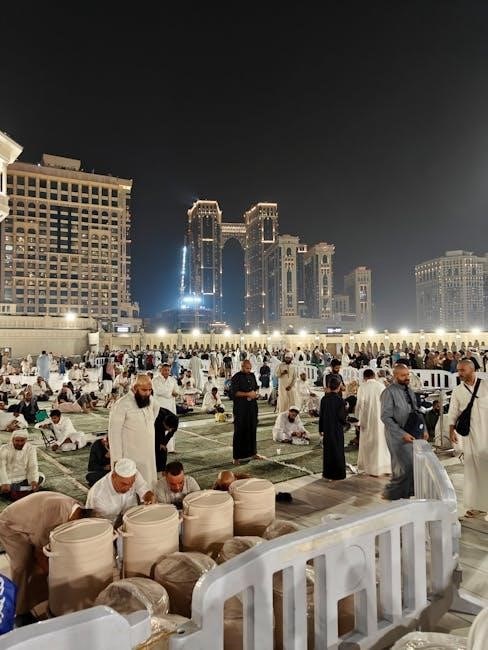
Improving Pakistan’s Educational Infrastructure
A significant impediment to widespread Arabic learning in Pakistan lies within the nation’s educational infrastructure. The current system struggles with inconsistencies in quality and access‚ particularly between urban and rural areas. The provided texts highlight the crucial need for improvement in both technological and digital infrastructure across all educational centers.
Effective implementation of initiatives like the Compulsory Arabic Language Bill 2020‚ and projects such as Horouf‚ are heavily reliant on a robust infrastructure capable of supporting modern learning methodologies; This includes reliable internet connectivity‚ access to digital devices‚ and adequately trained educators proficient in utilizing these tools.
Investment in teacher training is paramount‚ ensuring educators can effectively deliver Arabic language instruction and integrate digital resources into their pedagogy. Furthermore‚ addressing disparities in resource allocation between regions is vital to ensure equitable access to quality Arabic education for all Pakistani students. Without these foundational improvements‚ the full potential of Arabic language programs will remain unrealized.
Digital Resources for Arabic Learning in Rural Areas
Bridging the educational gap between urban and rural Pakistan requires a focused strategy leveraging digital resources for Arabic learning. The existing infrastructure limitations in rural areas necessitate innovative solutions to deliver quality Arabic education. PDF-based learning materials‚ downloadable textbooks‚ and workbooks can provide accessible learning opportunities even with limited internet connectivity.
Online platforms‚ while beneficial‚ are less effective without reliable internet access. Therefore‚ a blended approach combining downloadable PDF resources with periodic offline workshops and teacher training is crucial. Utilizing platforms like ArabicPod101 for audio lessons‚ downloadable for offline use‚ can supplement traditional learning.
Government initiatives should prioritize providing rural schools with basic digital infrastructure – computers‚ tablets‚ and offline access to curated Arabic learning PDFs. Furthermore‚ developing mobile applications with offline functionality‚ offering interactive lessons and vocabulary building exercises‚ can significantly enhance learning outcomes in underserved areas. This targeted approach ensures equitable access to Arabic education.
The Debate: Islamic Nation vs. Diverse Population
The Compulsory Arabic Language Bill 2020 ignited a national debate concerning Pakistan’s identity – whether to prioritize molding the nation into a predominantly Islamic society or to acknowledge and celebrate its diverse cultural and linguistic landscape. Proponents argue Arabic proficiency fosters a deeper understanding of Islamic teachings and strengthens religious identity‚ aligning with the nation’s foundational principles.
Conversely‚ critics express concerns about imposing a single language‚ potentially marginalizing regional languages and cultural identities. They question whether compulsory Arabic education truly serves all citizens‚ particularly those with differing religious beliefs or linguistic backgrounds. This debate extends to the very purpose of Arabic education – is it primarily for religious instruction or broader cultural enrichment?

The availability of Arabic learning PDFs‚ while increasing access‚ doesn’t resolve this fundamental ideological conflict. The core issue remains: balancing religious instruction with the constitutional right to cultural and linguistic diversity within a pluralistic Pakistan.

Technological Shifts in Education Systems
Pakistan’s education system‚ including Arabic language instruction‚ is undergoing a significant transformation driven by technological advancements. The increasing availability of online Arabic learning platforms – Duolingo‚ Busuu‚ ArabicPod101‚ Rosetta Stone‚ Mango Languages‚ and Alisons – offers alternative and supplementary learning pathways‚ particularly through accessible PDF resources.
However‚ equitable access remains a critical challenge. Improving Pakistan’s educational infrastructure‚ especially in rural areas‚ is paramount to bridging the digital divide. While PDF textbooks and workbooks can be distributed‚ effective utilization requires reliable internet connectivity and digital literacy among both students and teachers.
Forbes Councils experts note a “seismic shift” in global education‚ and Pakistan must adapt. Integrating technology isn’t merely about providing resources; it’s about reimagining pedagogy and ensuring that digital tools enhance‚ rather than replace‚ effective teaching practices in Arabic language acquisition.
Creating Good Muslims: The Aim of Arabic Education
The impetus behind the Compulsory Teaching of the Arabic Language Bill 2020 and initiatives like Islamabad’s Arabic in schools stems‚ in part‚ from a desire to foster religious understanding. The stated aim‚ as reported‚ is “to create good Muslims‚” suggesting Arabic language proficiency is viewed as integral to Islamic faith and practice.

However‚ this objective sparks debate. Critics question whether mandating Arabic reinforces a specific religious identity within Pakistan’s diverse population‚ potentially marginalizing other cultural and linguistic groups. The focus on Arabic‚ while potentially beneficial for religious studies‚ may overshadow the importance of broader educational goals.
Furthermore‚ some argue that true faith isn’t solely dependent on linguistic ability. The effectiveness of Arabic education in achieving its stated aim relies on pedagogical approaches that promote genuine understanding and critical thinking‚ rather than rote memorization of religious texts. PDF resources can support this‚ but require thoughtful implementation.